


Kimpex Standard Metal Brake Pads
PT3000193 (MFG #: 05-152-35FM)
$23.39
Sale price
$23.39
Regular price
$23.39
Skip to product information


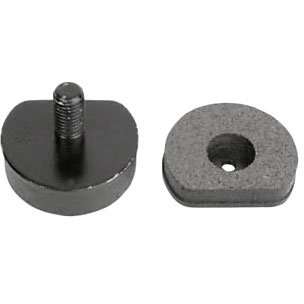


Kimpex Standard Metal Brake Pads for Polaris Indy RXL 650 Snowmobile


Kimpex Standard Metal Brake Pads for Polaris Indy RXL 650 Snowmobile
$23.39
Sale price
$23.39
Regular price
$23.39
SKU:PT3000193
My Garage
Select a ride to guarantee fitment.
My Garage
Add your vehicles to your garage. Several features will then be available to facilitate your searches.
- Store vehicles in your garage
- Easily find guaranteed fit products and accessories
- Get product recommendations
Available Online
Free shipping on orders over $99
Standard Fulfillment: -
Expedited Fulfillment: -

Lowest Price Guaranteed

Fast Shipping

Easy Returns
Description
Pad Purpose:
- The purpose of any brake pad is to push or squeeze against the brake drum or disc to slow it down. Softer brake pads "bite" into the rotor and stop better but tend to wear out faster.
Stopping Power:
- The stopping power of ceramic and metallic pads varies by temperature. Ceramic pads tend to stop better when very hot and metallic operate better in the cooler range.
Fade Resistance:
- A ceramic pad's strongest point is its ability to resist "brake fade", or the tendency to lose performance during repeated use and subsequent heating.
Wear:
- Though both pads tend to wear at similar rates, the ceramic's softer material surface helps prevent damage to metal rotors.
Noise and Dust:
- Ceramic pads vibrate at a higher frequency than the human ear can detect, and thus appear quieter in operation than metallic. Also, ceramic pads don't cause the black "brake dust" deposits like metallic pads.
Technical Specifications
- MFG. Part Number 05-152-35FM
Vehicle Information
Polaris Indy RXL 650 Snowmobile (1990-1997)
The Polaris Indy RXL 650, produced from 1990 to 1997, was a high-performance snowmobile renowned for its powerful 648cc liquid-cooled, triple-cylinder engine. Initially, the 1990 model featured a carbureted system. A significant evolution occurred in 1991 with the introduction of Electronic Fuel Injection (EFI), marking the RXL as one of the first snowmobiles to adopt this technology. The EFI system provided advantages such as smoother throttle response, improved cold-weather starting, and better performance at varying altitudes. This change also involved specifically designed cylinders for the EFI system. Mid-cycle updates in 1993 included the Improved Transfer Rear Suspension (ITS) and a responsive three-into-one exhaust system, enhancing handling and performance. The RXL was also available in an SKS (Snow King Special) trim in certain years, which typically included additional features like an extra heat exchanger and electric start. FAQ:
Q: How can I ensure I select the correct parts for my Polaris Indy RXL 650?
A: To guarantee a perfect fit, please use the year and edition selector at the top of this page to specify your exact model.
Maintenance
| Component | Interval | Details |
| Engine oil and filter | 800 km or 6 months | Inspect for leaks. |
| Drive belt | 800 km or 6 months | Inspect and adjust, or replace as needed. |
| Spark plugs | 3 200 km or 2 years | Inspect and replace as needed. |
| Air filter | Before every ride | Inspect and clean, or replace as needed. |
| Coolant | 800 km or 6 months (inspection); 8 000 km or 5 years (flush) | Test strength and inspect for leaks (800 km or 6 months). Flush system (8 000 km or 5 years). |
These intervals are general guidelines and may not be 100% accurate for your specific model year. Always consult your official owner's manual for precise maintenance schedules.