


PowerMadd Pivot Adapter Kit
08-10030-01 (MFG #: 45580)
$97.99
Sale price
$97.99
Regular price
$97.99
Skip to product information


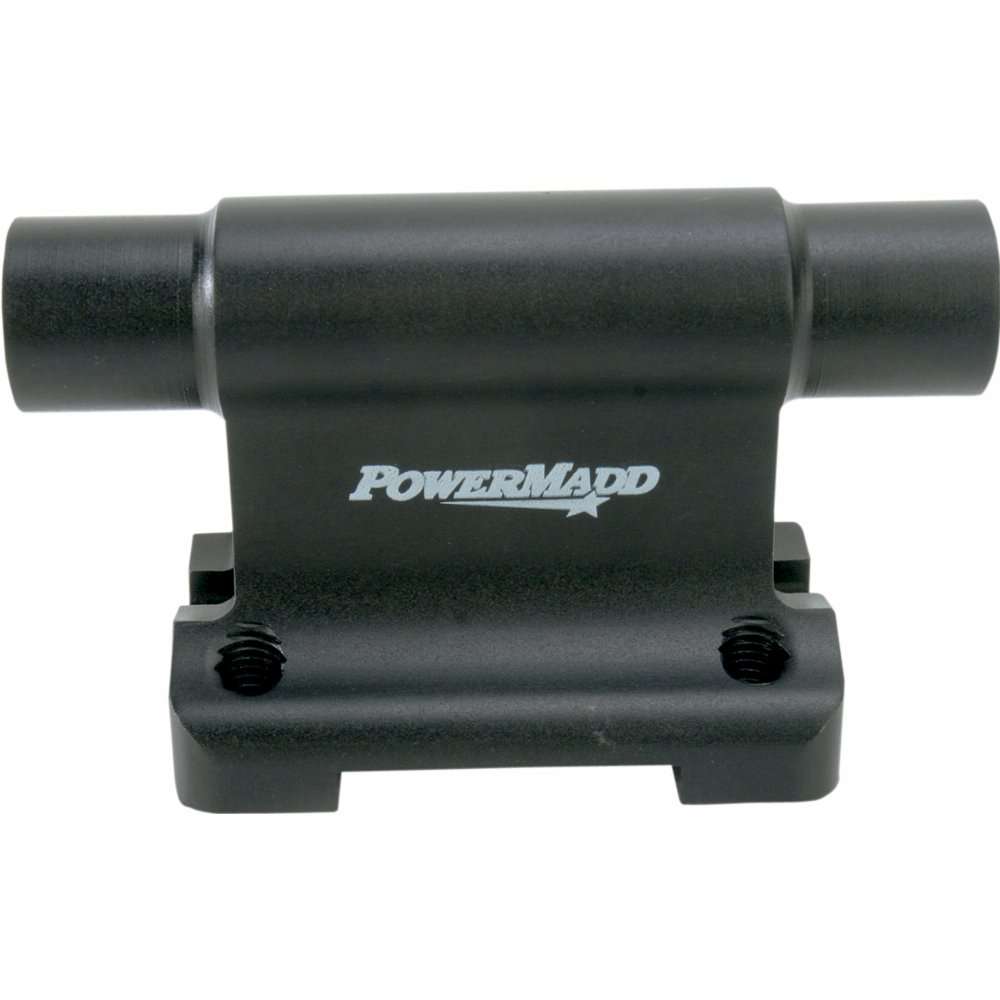


PowerMadd Pivot Adapter Kit for Yamaha Mountain Max 600 Snowmobile


PowerMadd Pivot Adapter Kit for Yamaha Mountain Max 600 Snowmobile
$97.99
Sale price
$97.99
Regular price
$97.99
SKU:08-10030-01
My Garage
Select a ride to guarantee fitment.
My Garage
Add your vehicles to your garage. Several features will then be available to facilitate your searches.
- Store vehicles in your garage
- Easily find guaranteed fit products and accessories
- Get product recommendations
Available Online
Free shipping on orders over $99
Standard Fulfillment: -
Expedited Fulfillment: -

Lowest Price Guaranteed

Fast Shipping

Easy Returns
Description
Allows the handlebar and rider to move forward, optimizing the center of gravity and improving handling and control. Handlebars can be pivoted forward or back from original stock position. Pivot adapter raises handlebars an additional 1.25. Choose a PowerMadd Riser Block height of 2-10" or an OEM Pivot Style Riser Block. Most snowmobiles accept the pivot adapter and a 2" Riser Block without modification to cables or wiring.
FEATURES
- Converts flat steering post to pivot style
- Machined from 6061-T6 aluminum
- Raises bars an additional 11/4in.
- Black anodized finish
- Works with aftermarket or OEM handlebar risers
- Comes with hardware and clamps as pictured
Technical Specifications
- MFG. Part Number 45580
Vehicle Information
Yamaha Mountain Max 600 Snowmobile (1997-2002)
The Yamaha Mountain Max 600, produced from 1997 to 2002, was a popular snowmobile designed for mountain riding. Initially powered by a 598cc twin-cylinder engine, it underwent a significant change in 2000. For the 2000 model year, Yamaha introduced an all-new 593cc triple-cylinder engine, marking a shift in its engine generation. This new engine offered around 100 horsepower, a slight increase from the twin-cylinder's 97 HP. Alongside the engine update, track specifications also evolved. Early models (1997-1999) typically featured a 136-inch track with a 1.5-inch lug height. From 2001 onwards, the triple-cylinder models adopted a longer 141-inch track with a 2.0-inch lug height, enhancing deep snow performance. The 2000 model was an intermediate, retaining the 136-inch track but upgrading to a 2.0-inch lug. While specific trim names were not consistently advertised, Yamaha used internal model codes (e.g., MM600A, MM600D) to differentiate yearly versions. Q: How do I ensure I'm getting the right parts for my Mountain Max 600?
A: The Yamaha Mountain Max 600 saw significant engine and track changes between 1997 and 2002. To guarantee a perfect fit, please use the year and edition selector at the top of this page to specify your exact model.
Maintenance
| Component | Interval | Details |
| Oil (2-stroke injection) | Before every ride | Ensure the oil reservoir is full. Using high-quality 2-stroke injection oil (TC-W3 or manufacturer-specific) is crucial to prevent engine damage. |
| Oil Filter | Not applicable | 2-stroke snowmobiles typically do not have an engine oil filter like 4-stroke engines, as they use an oil injection system. |
| Drive Belt | Inspect every 50 hours or 2,400 to 4,800 km | Inspect for wear and damage. Remove belt dust buildup from clutch faces annually or if performance degrades. |
| Spark Plugs | Inspect and replace as needed | Check for wear, insulator color, and gap (typically 0.7-0.8 mm). A BR9ES (NGK) model is often recommended. |
| Air Filter | Regular inspection and cleaning | Specific intervals were not detailed, but regular inspection and cleaning are standard for snowmobile air intake systems. |
| Coolant | Every 2 years | Ensure the cooling system is in good shape and free of leaks. |
| Chaincase Oil | Annually or at end of season | Use manufacturer-specified chaincase oil. |
| Lubrication | Regularly | Lubricate all zerks on the suspension, typically around 10 (seven in the back, three in the front). |
| Clutches | Inspect regularly, clean every few years | Inspect primary and secondary clutches for loose or broken components. Replace secondary clutch plastic ramps periodically. |
| Track, Hyfax, Idler Wheels | Inspect regularly | Check track tension and inspect the track for wear. Also, check the hyfax and idler wheels. |
| Pre-season Inspection | Before the first ride of the season | Conduct a thorough check of all systems: brakes, track, suspension, engine, and electrical components. |
The maintenance intervals below are based on general guidelines and may not be 100% accurate for your specific model. It is highly recommended to consult your official Yamaha Mountain Max 600 owner's manual for precise information.