


Toxic Lever Holder (Step 1)
1020-2847 (MFG #: L56)
$21.99
Sale price
$21.99
Regular price
$21.99
Skip to product information
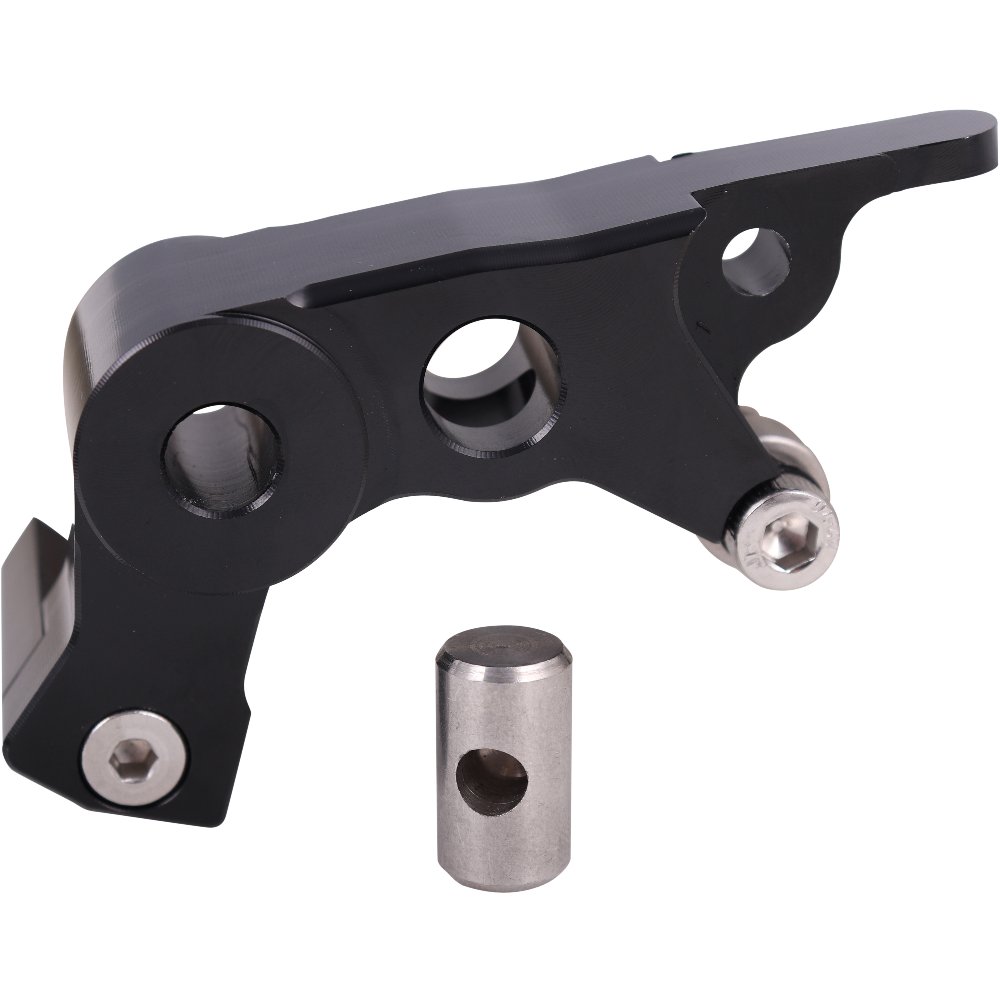
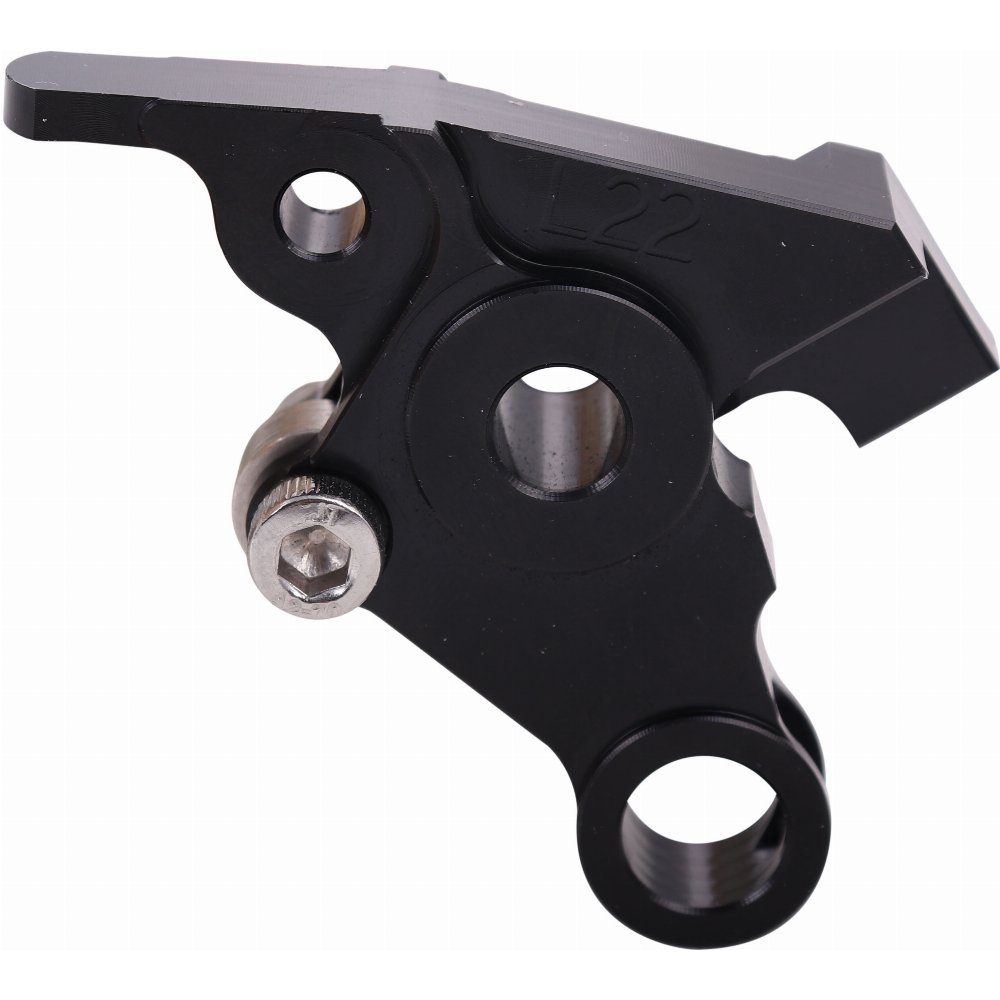


Toxic Lever Holder (Step 1) for Honda CB1000R Motorcycle - Street
Toxic
Toxic Lever Holder (Step 1) for Honda CB1000R Motorcycle - Street
Toxic
$21.99
Sale price
$21.99
Regular price
$21.99
SKU:1020-2847
My Garage
Select a ride to guarantee fitment.
My Garage
Add your vehicles to your garage. Several features will then be available to facilitate your searches.
- Store vehicles in your garage
- Easily find guaranteed fit products and accessories
- Get product recommendations
Available Online
Free shipping on orders over $99
Standard Fulfillment: -
Expedited Fulfillment: -

Lowest Price Guaranteed

Fast Shipping

Easy Returns
Description
This product is part of a 3 step lever kit. Other products may required to complete your purchase
Step 1: Choose your lever holder: http://revco.ca/toxic-motorcycle-lever-set-step-1.html
Step 2: Choose your lever type/colour: http://revco.ca/toxic-motorcycle-lever-only-step-2.html
Step 3 (Optional) Choose an adjuster colour: http://revco.ca/toxic-motorcycle-lever-adjuster-optional-step-3.html
Toxic CNC levers are made out of billet aluminum 6061 T6 with anodized finish for durability and long service life. hardware is all made of stainless steel for good looking and durability. Within the lever pivot lies high-grade ball bearings for increased rigidity and reduced free play. The lever’s face was designed with a large radius that provides a smoother surface for the rider’s fingers to grab and control. The six settings of lever reach can be adjusted on the fly to suit your preferences. Available with three different models:
- Long type for a close OEM looks and grip.
- Short type, for a sport look and grip.
- Extendable/folding type for the coolest look of all and racing purpose such as length adjustment and folding capability to prevent the lever from breaking in case the bike falls.
To maximize the amount of types and colours available for each application, The Toxic lever are sold separately from their holder.
Technical Specifications
- MFG. Part Number L56
Vehicle Information
Honda CB1000R Motorcycle - Street (2011-2024)
The Honda CB1000R, a prominent naked sportbike, was produced from 2011 to 2024. Throughout its production, it consistently featured a 998cc liquid-cooled, DOHC inline-four engine, offering a blend of performance and street-focused versatility. This model underwent significant evolution, adapting its style and technology to remain a competitive force in the segment. The CB1000R saw two distinct generations. The first, from 2011 to 2017, was powered by an engine derived from the CBR1000RR, retuned for strong low-to-midrange torque, producing around 123-125 hp. Updates during this period were primarily cosmetic, including new color options and minor component refreshes like a thicker handlebar. The second generation, launched in 2018, marked a complete redesign with the "Neo Sports Café" aesthetic. This iteration featured a more powerful engine (approx. 143-145 hp), advanced electronics like throttle-by-wire, multiple riding modes, and traction control. In 2021, the Black Edition was introduced, offering a stealthy look and a quickshifter as standard, alongside further styling and technological refinements like a new TFT display. The model concluded its run after 2024. Q: How do I find parts specific to my Honda CB1000R?
A: To ensure perfect compatibility, please use the year and edition selector at the top of this page.
Maintenance
| Component | Interval | Details |
| General Service Interval | Every 6,400 km or annually | Whichever comes first. |
| Engine Oil | Every 12,800 km or 12 months | Whichever comes first. Some models (e.g., 2020) may require changes every 6,000 km. |
| Oil Filter | Every 12,800 km | Generally every two oil changes. Some recommend with every oil change for optimal longevity. |
| Spark Plugs | Every 24,000 km or 48,000 km | Varies by model year. Some manuals indicate 48,000 km. Check specific manual. |
| Air Filter | Inspect regularly, replace as necessary | Check and replace if necessary every 4,000 to 6,000 km, or between 24,000 and 48,000 km depending on conditions. More frequent in dusty or wet conditions. |
| Coolant | Every 3 years | |
| Drive Chain | Every 1,000 km | Inspection, cleaning, and lubrication. |
Maintenance intervals may vary slightly by model year. It is recommended to consult your motorcycle's specific owner's manual for the most accurate information.