


Toxic Lever Holder (Step 1)
1020-2847 (MFG #: L56)
$21.99
Sale price
$21.99
Regular price
$21.99
Skip to product information
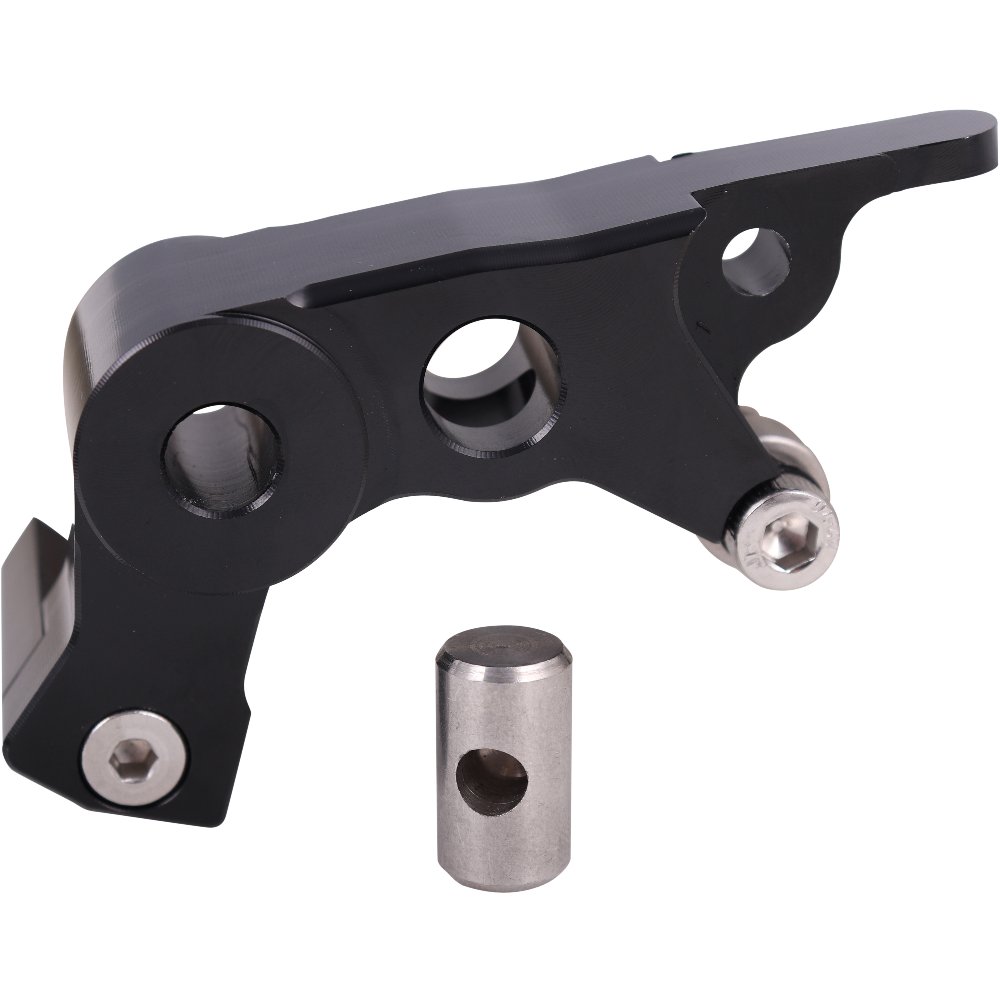
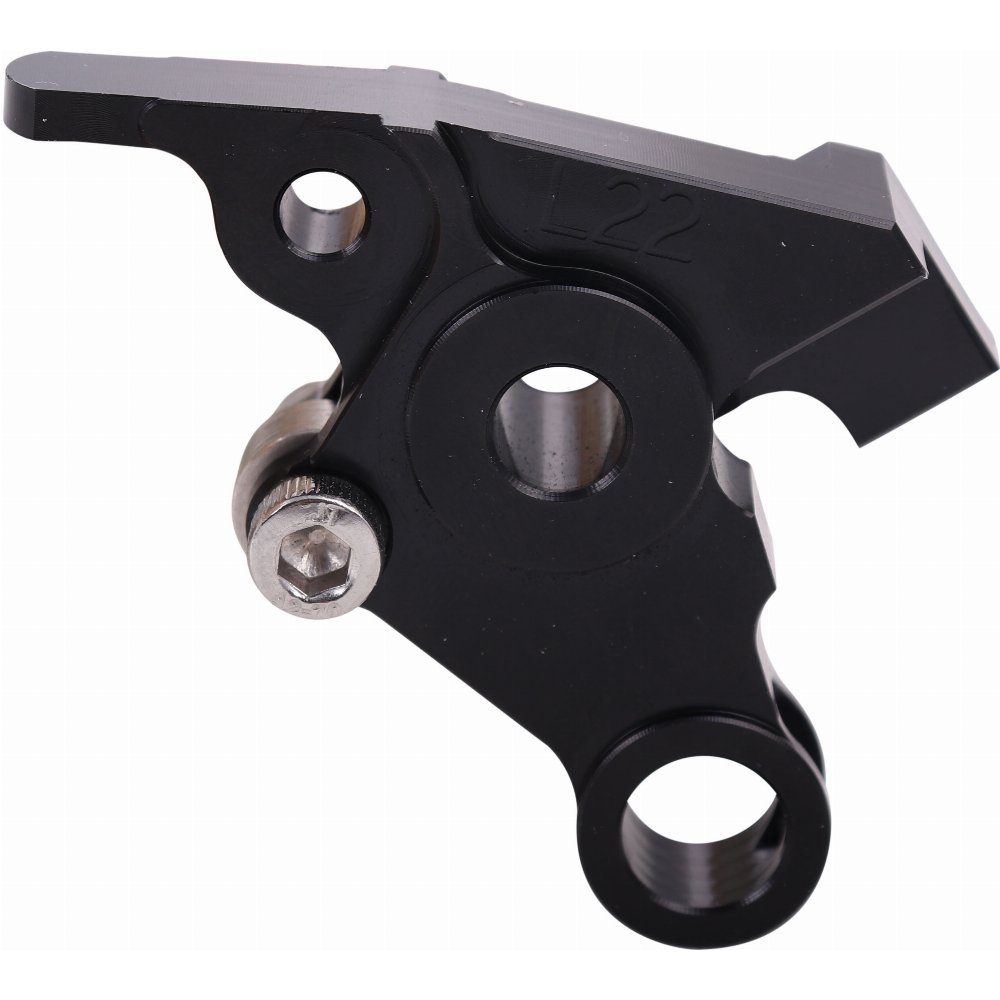


Toxic Lever Holder (Step 1) for Honda Rebel 300 Motorcycle - Street
Toxic
Toxic Lever Holder (Step 1) for Honda Rebel 300 Motorcycle - Street
Toxic
$21.99
Sale price
$21.99
Regular price
$21.99
SKU:1020-2847
My Garage
Select a ride to guarantee fitment.
My Garage
Add your vehicles to your garage. Several features will then be available to facilitate your searches.
- Store vehicles in your garage
- Easily find guaranteed fit products and accessories
- Get product recommendations
Available Online
Free shipping on orders over $99
Standard Fulfillment: -
Expedited Fulfillment: -

Lowest Price Guaranteed

Fast Shipping

Easy Returns
Description
This product is part of a 3 step lever kit. Other products may required to complete your purchase
Step 1: Choose your lever holder: http://revco.ca/toxic-motorcycle-lever-set-step-1.html
Step 2: Choose your lever type/colour: http://revco.ca/toxic-motorcycle-lever-only-step-2.html
Step 3 (Optional) Choose an adjuster colour: http://revco.ca/toxic-motorcycle-lever-adjuster-optional-step-3.html
Toxic CNC levers are made out of billet aluminum 6061 T6 with anodized finish for durability and long service life. hardware is all made of stainless steel for good looking and durability. Within the lever pivot lies high-grade ball bearings for increased rigidity and reduced free play. The lever’s face was designed with a large radius that provides a smoother surface for the rider’s fingers to grab and control. The six settings of lever reach can be adjusted on the fly to suit your preferences. Available with three different models:
- Long type for a close OEM looks and grip.
- Short type, for a sport look and grip.
- Extendable/folding type for the coolest look of all and racing purpose such as length adjustment and folding capability to prevent the lever from breaking in case the bike falls.
To maximize the amount of types and colours available for each application, The Toxic lever are sold separately from their holder.
Technical Specifications
- MFG. Part Number L56
Vehicle Information
Honda Rebel 300 Motorcycle - Street (2017-2026)
The Honda Rebel 300, spanning model years 2017 to 2026, is a popular entry-level cruiser motorcycle known for its accessible design and reliable performance. It is powered by a consistent 286cc liquid-cooled single-cylinder engine, offering a balanced blend of power and efficiency for urban riding and light touring. This platform has remained largely unchanged in its core specifications since its introduction. While the core engine and design have been consistent, a significant update arrived for the 2025 and 2026 model years with the introduction of the Rebel 300 E-Clutch. This innovative system allows for clutchless gear changes, though manual clutch operation remains an option. An Anti-Lock Braking System (ABS) has also been available as a key option or trim since the model's inception. Beyond these, updates have primarily focused on new color options and minor feature enhancements. Q: How do I know which parts fit my Honda Rebel 300?
A: To ensure perfect compatibility, please use the year and edition selector at the top of this page. This will filter products specifically designed for your motorcycle.
Maintenance
| Component | Interval | Details |
| Engine Oil | Initially at 1 000 km, then every 12 800 km or annually (whichever comes first). | Some sources suggest changing every 4 800 to 9 600 km or once per year if not ridden regularly. |
| Oil Filter | Initially at 1 000 km, then every 25 600 km. | Typically every other oil change. |
| Drive Chain | Inspect and lubricate every 1 000 km. | Clean and lubricate every 500 to 800 km or after riding in rain; check tension every 800 to 1 600 km. |
| Spark Plug | Inspect every 25 600 km, replace every 51 200 km. | Some recommendations suggest changing it at the same time as checking valve clearances, which is every 25 600 km. |
| Air Filter | Inspect and clean/replace as needed. | General maintenance suggests servicing it every 9 600 km. Paper filters should be replaced every 9 600 to 19 200 km, reusable filters cleaned and re-oiled within the same range. |
| Coolant | Inspect every 12 800 km, replace every three years. | Check level at each fuel stop. Other guidelines suggest flushing every 19 200 km or every two years. |
The intervals listed are based on a mix of official and general recommendations. Always consult your owner's manual for the most accurate information specific to your model year.