


Woody's Maverick Series Flat-Top Carbide Snowmobile Runners
MA4-9975 (MFG #: MA4-9975)
$214.99
Sale price
$214.99
Regular price
$214.99
Skip to product information


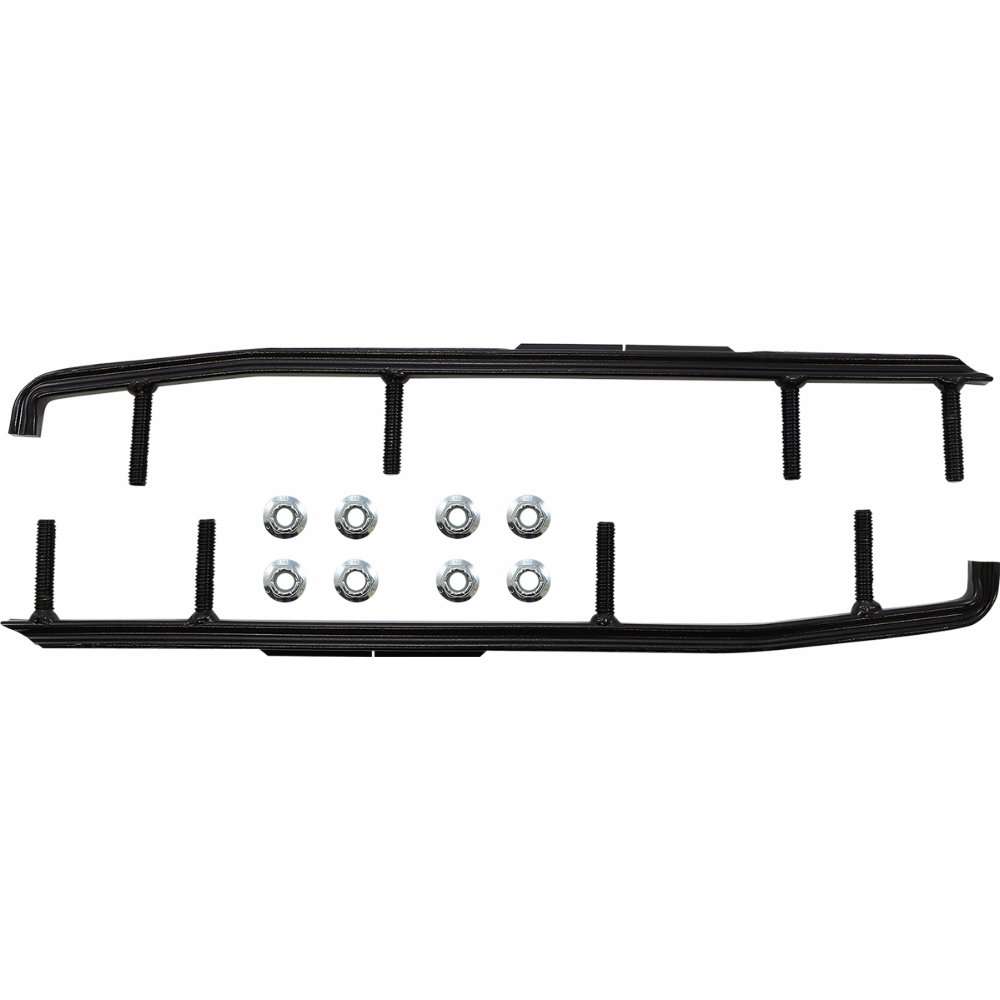


Woody's Maverick Series Flat-Top Carbide Snowmobile Runners for Yamaha SR Viper XTX 1050 Snowmobile


Woody's Maverick Series Flat-Top Carbide Snowmobile Runners for Yamaha SR Viper XTX 1050 Snowmobile
$214.99
Sale price
$214.99
Regular price
$214.99
SKU:MA4-9975
My Garage
Select a ride to guarantee fitment.
My Garage
Add your vehicles to your garage. Several features will then be available to facilitate your searches.
- Store vehicles in your garage
- Easily find guaranteed fit products and accessories
- Get product recommendations
Available Online
Free shipping on orders over $99
Standard Fulfillment: -
Expedited Fulfillment: -

Lowest Price Guaranteed

Fast Shipping

Easy Returns
Description
You asked for it -it's here! The Maverick runner is here to take the "shaper bar" market by storm. Now the largest most aggressively built bar. Classic Woody's hardweld to help reduce wear on the bar. 60 degree carbide inserts. Lighter - weights savings over traditionally shaped bars. Concave sides help to hold snow and improve turning. NOW the tallest bar on the market! This bar is CNC wireformed to insure a perfect fit. Will offer better control at increased speeds. SOLD IN PAIRS. NOTE: For some models, may need to drill a 4th hole in the ski or remove the 4th stud on runner.
Technical Specifications
- MFG. Part Number MA4-9975
Vehicle Information
Yamaha SR Viper XTX 1050 Snowmobile (2014-2018)
The Yamaha SR Viper XTX 1050, produced from 2014 to 2018, is a performance snowmobile known for its reliability and consistent power. It features a 1049cc, liquid-cooled, DOHC, 4-stroke Genesis engine, consistently delivering around 130 horsepower. This model was built on Arctic Cat's ProCross chassis, which Yamaha referred to as the SRV chassis. While the core 1049cc engine remained constant throughout this period, the SR Viper XTX platform received updates to its trims and components. For instance, in 2016, the LE version was "Upgraded," and in 2017, select SR Viper models received new shock combinations, including new coil-over Fox shocks for SE versions and Fox Zero QS3 Kashima shocks for the L-TX LE. A 50th Anniversary edition with QS3 shocks and a heated seat was also offered in 2018 for the L-TX LE model, enhancing ride compliance. These evolutions primarily involved equipment and suspension upgrades, without altering the engine or fundamental vehicle structure. FAQ:
Q: How can I ensure parts compatibility for my Yamaha SR Viper XTX 1050?
A: To guarantee compatibility, please use our year and trim selector on this page. It will guide you to the specific parts for your model.
Maintenance
| Component | Interval | Details |
| Engine Oil | Initial: 800 km; Subsequent: every 4,000 km | |
| Oil Filter | Initial: 800 km; Subsequent: every 20,000 km | |
| Drive Belt | Not specified in official manual for this model/year | Official intervals for the drive belt were not explicitly found for the SR Viper XTX 1050. General recommendations suggest replacement every 1 to 3 years, or approximately every 2,000 km to 4,000 km for preventative maintenance and optimal performance, especially in demanding conditions. |
| Spark Plugs | Not specified in official manual for this model/year | Specific official intervals for the SR Viper XTX 1050 were not consistently found. General guidelines for Yamaha models suggest yearly inspection and replacement of copper plugs every 32,000 km to 48,000 km, platinum plugs every 96,000 km to 128,000 km, and iridium plugs every 128,000 km or more. Some sources recommend servicing every 10,000 km or even 8,000 km for preventative measures. |
| Air Filter | Not specified in official manual for this model/year | Specific official intervals for the air filter for the SR Viper XTX 1050 were not explicitly detailed. General recommendations for powersports vehicles suggest inspecting every 25 to 50 hours and replacing as needed. In dusty or muddy environments, inspection after every ride is advised, with more frequent replacement. Some guidelines suggest checking and replacing every 4,000 km to 6,000 km, but this can be much more frequent in off-road conditions. |
| Coolant | Not specified in official manual for this model/year | The owner's manual states that the coolant level should be checked regularly. Yamaha generally recommends changing the coolant yearly, or at least once per season. Other recommendations suggest changing every 2 to 3 years, or every 8,000 km, regardless of mileage. |
Maintenance intervals for some components are based on general recommendations and may not be 100% accurate for your specific model. Always consult your vehicle's official owner's manual for precise information.